Health Risks Associated With Rodents in Residential and Commercial Spaces
Local contractors specializing in rodent pest control can help reduce health risks associated with rodents in residential and commercial spaces by safely removing pests and preventing infestations.
If you own a residential or commercial property in the area, understanding the health risks associated with rodents in residential and commercial spaces is an important step in maintaining a safe environment. Rodents can carry and transmit a variety of illnesses, some of which pose serious health threats to people and pets. Recognizing the signs of rodent activity and learning about the potential health hazards can help property owners take proactive measures to protect their spaces. Local service providers specializing in rodent pest control can assist in identifying infestations early and implementing effective removal strategies, reducing the risk of health issues linked to rodent presence.
Exploring this topic is especially relevant for those who want to ensure their property remains a safe and healthy place. Rodent infestations often go unnoticed until they become a significant problem, making early detection and professional intervention crucial. By connecting with experienced local contractors, property owners can access tailored solutions that address both the immediate concerns and help prevent future health risks associated with rodents. Keeping informed about these risks and knowing where to turn for expert assistance can make a meaningful difference in maintaining a secure environment.
- Residential rodent control services are needed when homeowners notice signs of rodent activity, with local contractors focusing on sealing entry points and removing infestations to reduce health risks associated with rodents in residential spaces. Commercial rodent pest control becomes essential for businesses experiencing rodent sightings or droppings, as local service providers implement targeted treatments to prevent the spread of disease-causing pathogens. Infestation cleanup and sanitation are required after rodent activity is detected, with local pros safely removing contaminated materials to mitigate health risks associated with rodents in both homes and workplaces. Preventive rodent exclusion is advised when there are concerns about future infestations, with local contractors sealing potential entry points to lower health risks associated with rodents in residential and commercial environments. Rodent trapping and removal services are recommended when rodents are actively present, with local pros employing humane and effective methods to address health risks associated with rodents in various spaces.
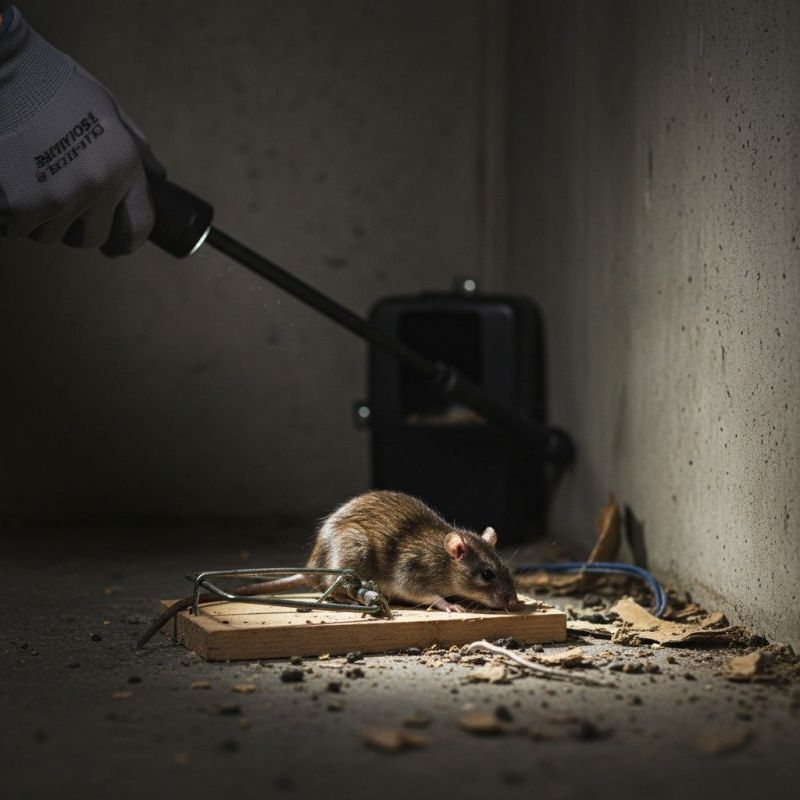
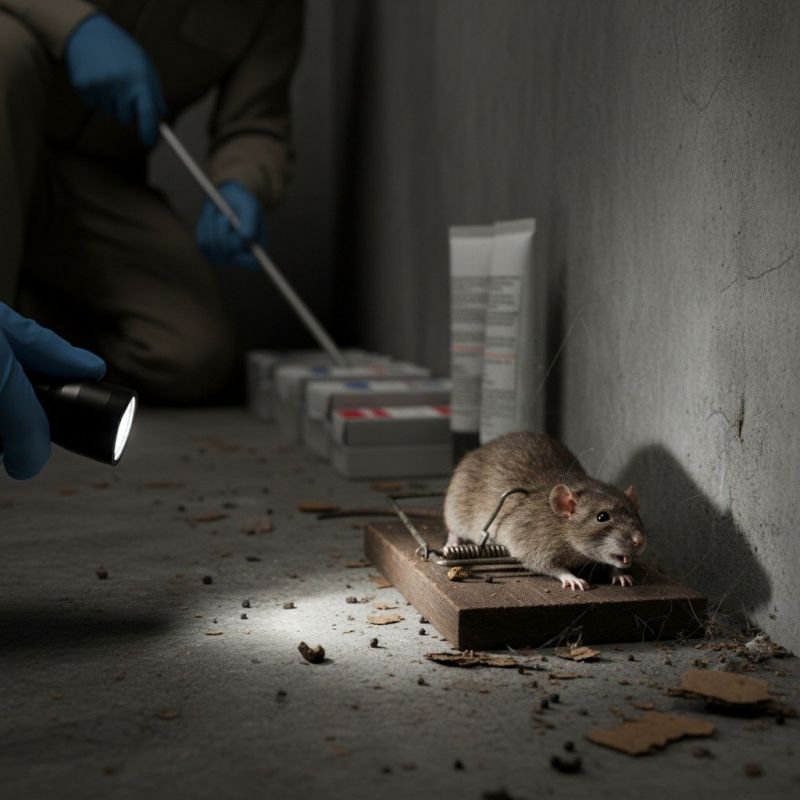
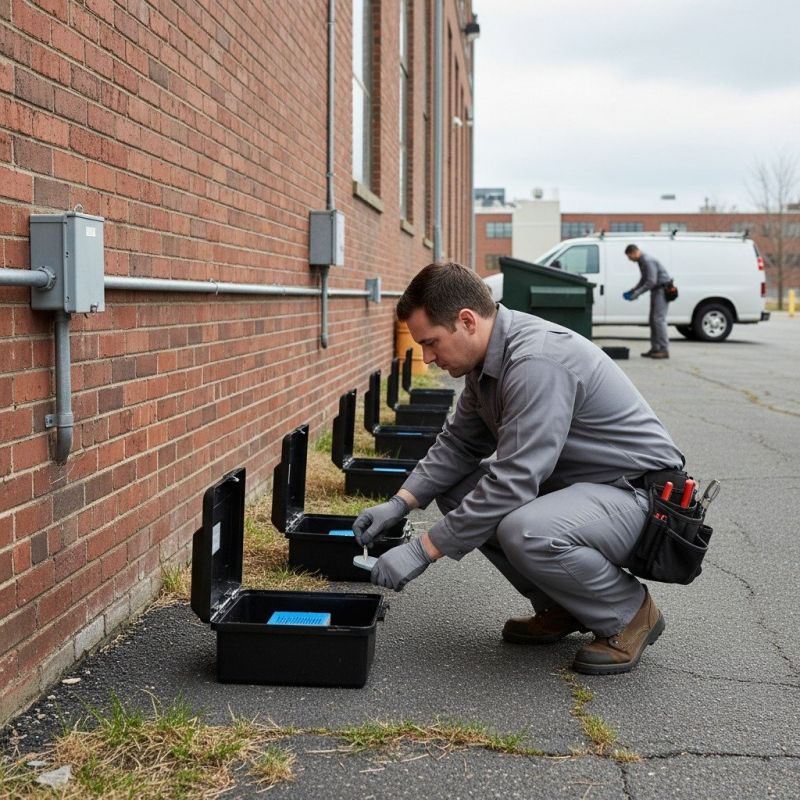
When searching for information on health risks associated with rodents in residential and commercial spaces, people are often concerned about how these pests can impact the health and safety of occupants. This topic typically comes up when homeowners or business owners notice signs of rodent activity, such as droppings, gnaw marks, or strange odors, and want to understand the potential health implications. The focus is usually on identifying the dangers rodents pose, including the spread of diseases, contamination of food and surfaces, and the possibility of structural damage that could lead to health hazards. Understanding these risks helps property owners prioritize pest control efforts and take appropriate steps to protect their spaces and the people inside.
The problems related to health risks associated with rodents in buildings often involve disease transmission, contamination, and allergic reactions. Rodents are known carriers of various pathogens that can cause illnesses such as hantavirus, salmonella, leptospirosis, and rat-bite fever. These diseases can be transmitted through contact with rodent droppings, urine, saliva, or even bites. Additionally, rodent hair and droppings can trigger allergic reactions or asthma attacks in sensitive individuals. Many property owners plan to address these issues by removing rodents promptly and implementing ongoing pest management strategies. Local service providers specializing in rodent pest control can help eliminate the infestation and reduce the health risks associated with these pests.
Properties that typically come up in discussions about health risks associated with rodents include residential homes, apartment complexes, restaurants, warehouses, and retail stores. Homes are often the first concern, especially if rodents have gained entry through gaps, vents, or damaged walls. Commercial properties such as restaurants and food storage facilities face heightened scrutiny due to the risk of food contamination and regulatory compliance issues. Warehouses and storage units may also be vulnerable if rodent activity is overlooked, leading to damage to stored goods and potential health hazards. Regardless of the property type, identifying and addressing rodent infestations early can prevent the spread of disease and minimize the impact on health and safety.
Understanding how local contractors fit into managing health risks associated with rodents is essential for property owners. These service providers specialize in inspecting, trapping, and removing rodents to reduce health hazards effectively. They can also advise on securing buildings to prevent future infestations and suggest sanitation practices that limit rodent attractants. By working with experienced pest control pros, property owners can ensure that their spaces are thoroughly treated and maintained to minimize health risks. This proactive approach helps create safer environments, whether in homes or commercial settings, and supports ongoing efforts to prevent the re-establishment of rodent populations that could pose health threats.
Wildlife Exclusion Projects - These projects involve sealing entry points and removing animal habitats, skills that are essential for preventing rodents and reducing health risks associated with rodents in residential and commercial spaces.
Building Inspection Services - Inspection professionals assess structures for signs of rodent activity and entry points, helping identify health hazards linked to rodent infestations.
Sanitation and Waste Management Projects - Proper waste handling and sanitation are crucial in controlling rodent populations and minimizing associated health risks in various environments.
Structural Repair and Pest Proofing - Repairing cracks, holes, and vents to prevent rodent entry aligns with efforts to mitigate health risks caused by rodents in buildings.
Commercial Hygiene and Sanitation Services - These services focus on maintaining clean spaces, which is vital for reducing health risks associated with rodents in business environments.
Integrated Pest Management (IPM) Programs - IPM involves comprehensive strategies to control pests, including rodents, thereby addressing health risks linked to rodent infestations effectively.
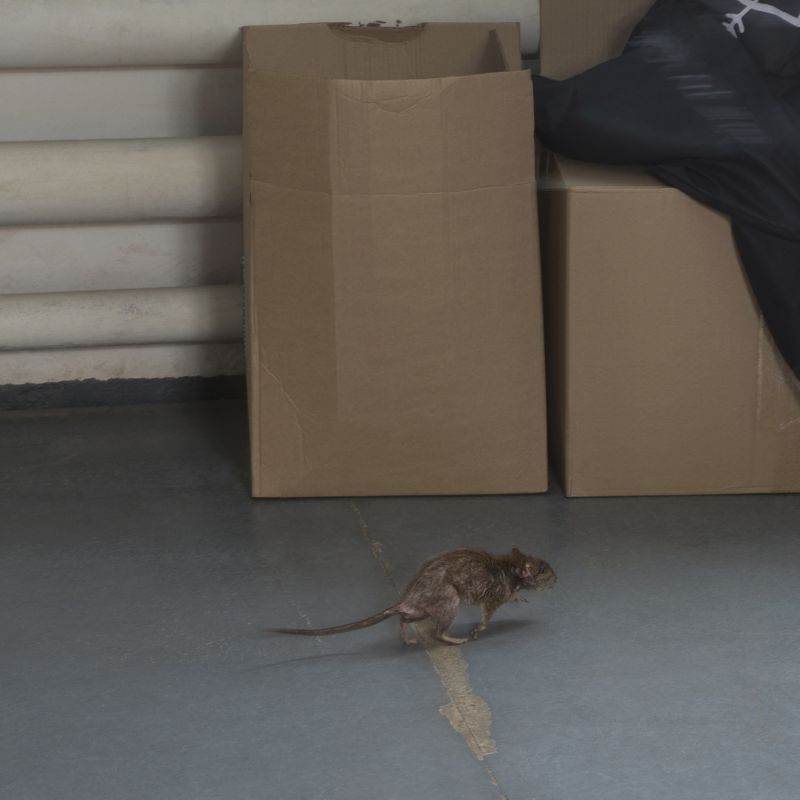
When comparing service providers for rodent pest control, it’s important to consider their experience with similar projects involving residential or commercial spaces. A contractor’s background in handling rodent-related health risks can indicate their familiarity with effective removal and prevention strategies. Homeowners should inquire about how long the contractor has been working with properties similar to theirs and whether they have successfully addressed issues that involve health concerns related to rodents. This experience can help ensure that the chosen professional understands the potential health risks associated with rodents in residential and commercial environments and can implement appropriate measures to mitigate them.
Clear written expectations are essential when selecting a service provider for rodent control. A reputable contractor should be able to provide detailed information about the scope of work, methods used, and measures taken to reduce health risks. Homeowners are encouraged to review any written proposals or plans to ensure they understand what will be done to eliminate rodents and prevent future infestations. Transparent communication about the process helps set realistic expectations and ensures that the homeowner is aware of how the service addresses health risks associated with rodents in their spaces.
Reputable references and effective communication are key indicators of a dependable service provider. Homeowners should seek out local contractors with positive references from previous clients who had similar concerns about health risks related to rodents. Good communication involves timely responses to questions and clear explanations of procedures, ensuring that homeowners feel informed and confident in the service provider’s approach. Choosing a contractor known for transparent, responsive communication and strong references can help ensure that the pest control services will effectively address health risks associated with rodents in both residential and commercial spaces.
Property owners often search for health risks associated with rodents in residential and commercial spaces when they are planning practical projects around their homes and businesses. Local pros provide Rodent Pest Control services for everyday jobs and straightforward project options.
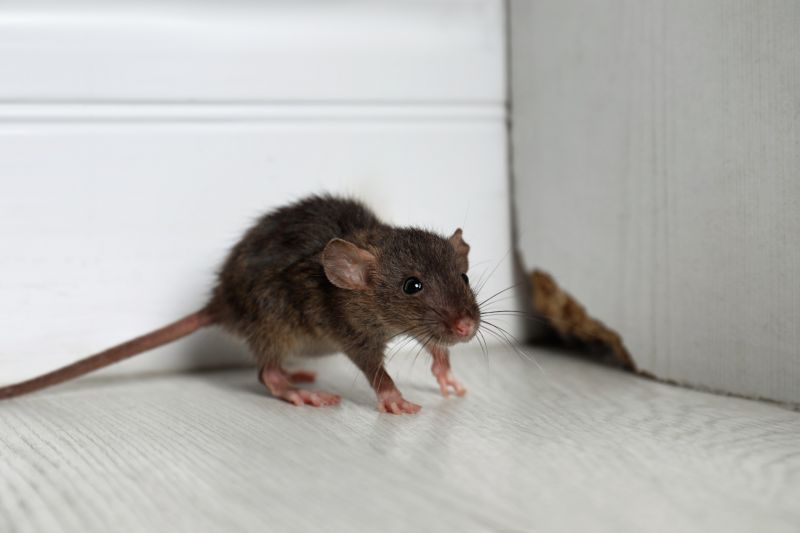
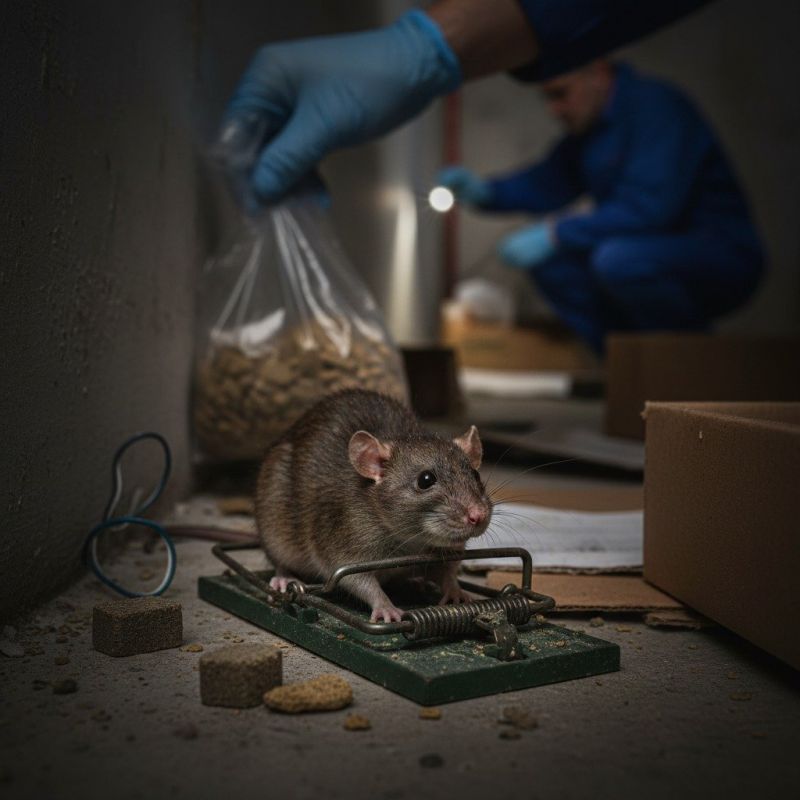
Rodents in residential and commercial spaces can pose significant health risks that property owners should be aware of. These pests are known to carry and transmit various diseases, including hantavirus, salmonella, and leptospirosis, which can affect the health of inhabitants and employees. Additionally, rodent droppings, urine, and saliva can contaminate surfaces and food supplies, increasing the risk of illness. Property owners dealing with signs of rodent activity often seek the expertise of local contractors experienced in rodent pest control to effectively address these health concerns and prevent further issues.
In many cases, rodents can cause damage to buildings and infrastructure, creating entry points and nesting sites that make infestations more challenging to control. Beyond structural harm, their presence can lead to unpleasant odors and increased allergens, which may exacerbate respiratory problems for sensitive individuals. Engaging with local service providers who specialize in rodent pest control can help mitigate these health risks by identifying and eliminating rodent populations, reducing the potential for disease transmission and property damage.
What health risks are linked to rodents in homes and businesses? Rodents can carry diseases such as hantavirus, salmonella, and leptospira, which may be transmitted to humans through contact with contaminated surfaces, droppings, or bites. Local contractors specializing in rodent pest control can help identify and mitigate these health hazards effectively.
How do rodents pose a threat to indoor air quality? Rodent droppings, urine, and shed hair can contribute to airborne allergens and pathogens, potentially causing respiratory issues. Professional pest control services can remove infestations and reduce these health risks in residential and commercial spaces.
Can rodents cause structural damage that affects health safety? Yes, rodents can gnaw on electrical wiring and building materials, increasing the risk of fires and structural instability. Local pest control experts can address infestations to prevent further damage and related safety concerns.
Are there health concerns related to rodent droppings and nesting materials? Yes, rodent droppings and nesting materials can harbor bacteria and parasites, which may lead to infections or allergic reactions. Service providers trained in rodent control can safely remove these hazards to protect health.
Why is professional rodent pest control important for health safety? Professional services can thoroughly eliminate rodents, reduce exposure to disease-causing agents, and prevent future infestations, helping maintain a healthier environment in residential and commercial spaces.
Identify potential entry points - property owners can work with local contractors to find and seal gaps or holes that rodents may use to enter buildings, reducing health risks associated with rodents in residential and commercial spaces.
Implement sanitation measures - incorporating proper waste management and clutter removal practices helps minimize rodent attractants, with local pros providing guidance on creating cleaner environments.
Set up physical barriers - installing barriers such as door sweeps and rodent-proof fencing can prevent rodents from accessing key areas, decreasing the spread of health risks associated with rodents in residential and commercial spaces.
Establish ongoing monitoring - regular inspections by local service providers ensure early detection of rodent activity, helping to mitigate health risks associated with rodents in residential and commercial spaces.
If you are thinking about health risks associated with rodents in residential and commercial spaces for a property, this guide is meant to help you understand this topic, the typical project types, and how different options might fit your plans.
When you are ready, you can use the quote form on this page to share a few details about your project. From there, local pros can review the basics and follow up with options that match what you have in mind.